
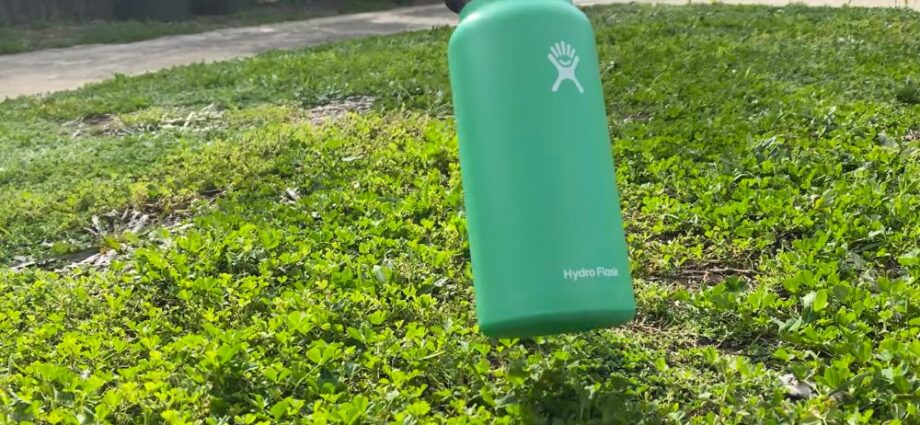
A water bottle color release should not feel like a sneaker drop, yet that is where the drinkware market has landed. Hydro Flask has built enough loyalty around color, size, and everyday identity that a new color drop can send shoppers into refresh mode before breakfast. The reported website crash is not the whole story. It is the signal. People were not chasing a bottle because they lacked something to drink from. They were chasing the feeling of getting the right shade before it disappeared.
That matters for American shoppers who treat school bags, gym gear, desk setups, and road trip kits as small parts of personal style. A fresh bottle color fits into that habit with ease. For readers tracking consumer product stories through retail trend coverage, this kind of launch shows how color has become a sales engine, not an afterthought. The new color drop also tells buyers something useful: when a brand trains fans to expect short windows, even a simple purchase can turn into a race.
Why Hydro Flask Has Turned Color Into a Buying Event
Color used to sit near the end of the buying choice. You picked the size, checked the lid, compared the price, then chose whatever shade looked fine. That order has flipped for many shoppers. The color now starts the decision, especially when the bottle already has a known shape and reputation. People are not asking, “Do I need another bottle?” They are asking, “Will this one match the version of me I want to carry around?”
The Bottle Is Practical, but the Shade Is Emotional
A reusable bottle earns its place through daily use. It needs to survive a backpack, keep water cold in a hot car, and not leak beside a laptop. That practical trust gives the brand room to sell emotion on top of function.
A college student in Arizona may already own a 32-ounce bottle for class. Still, a soft neutral shade can feel better for a summer internship desk. A parent in Ohio may grab a brighter color for a child who keeps losing bottles at soccer practice. Same object. Different reason.
The non-obvious part is that color can reduce purchase hesitation. When buyers already trust the form, a new shade feels like a low-risk treat. That is why a limited edition water bottle can move faster than a more complicated product with stronger specs.
Why Limited Drops Make Shoppers Act Faster
Scarcity changes the mood of a normal shopping trip. A bottle sitting on a shelf invites comparison. A bottle tied to a short color window invites action. The fear is not only missing the product. It is missing the version everyone will recognize later.
That pressure can help explain why a website crash story spreads fast. The crash becomes proof that the drop mattered. Even shoppers who did not want the bottle may start wondering what they missed.
For buyers, the smarter move is to separate want from panic. Add the color to your cart if it fits your daily use, not because a loading page made it feel rare. Scarcity is loud. A good purchase still has to be useful after the noise fades.
The Color Drop Economy Is Built on Timing, Not Need
The new color drop model works because it turns a familiar object into a timed event. You can buy a water bottle any day. You cannot always buy a certain color, in a certain size, with a certain lid, at the exact moment people are talking about it. That timing is where the energy comes from.
Social Proof Can Make a Bottle Feel Harder to Get
Once shoppers see screenshots, cart errors, and sold-out claims, demand starts feeding itself. A person who planned to browse later may jump in early. A person who wanted one bottle may check two sizes. The crowd becomes part of the product.
This happens often in American consumer culture. Stanley cups had lines. Sneaker releases built waiting rooms. Beauty drops trained shoppers to preload carts. Drinkware now borrows from the same playbook, even though the product is meant for hydration, not hype.
The quiet insight is that many shoppers are not buying against need. They are buying against regret. That regret can feel stronger than the price, which is why a limited edition water bottle can feel urgent even when cheaper options sit nearby.
The Website Crash Becomes Part of the Marketing Story
A website crash is usually bad for checkout. It creates failed payments, frozen carts, angry comments, and customer service strain. Yet the story can still help the launch look bigger after the fact.
That sounds backward, but consumer attention often rewards friction. If shoppers say the site broke because traffic flooded in, the product gains a kind of social proof that a polished ad could not buy. The failure becomes a badge of demand.
Brands should still care about the damage. A shopper who loses a cart may not forgive the mess. A parent buying a birthday gift may not see charm in a spinning checkout screen. Launch pressure can create buzz, but poor buying flow can turn excitement into resentment fast.
What Shoppers Should Do When the Site Starts Failing
The most useful lesson from a heated drop is not “shop faster.” It is “shop cleaner.” Panic makes people open too many tabs, reload payment pages, click fake links, and ignore normal safety checks. That is how a fun color chase turns into a bad afternoon.
Build a Simple Buying Plan Before the Drop Opens
Decide on the size, cap, and backup color before the launch window. That sounds boring, but it keeps you from making a messy cart while the site is lagging. Keep one browser open. Sign in early. Save your shipping details if the retailer allows it.
A shopper in Texas buying for a summer camp kid may choose a smaller bottle with a straw lid. A nurse in Florida may need a larger bottle that fits a car cup holder after a long shift. Those use cases matter more than the shade.
The best backup plan is honest. Pick a second color you would still enjoy next month. If no backup feels good, the first color may not be worth the stress either.
Keep Safety in the Cart, Not After It
High-demand drops attract copycat listings and rushed choices. Search ads, resale posts, and social comments can push shoppers away from the official path. That is risky when people are tired of refresh errors and want any route that works.
Use payment methods with clear dispute options, check shipping promises, and read the seller’s details before entering card information. The Federal Trade Commission’s online shopping guidance is a useful reference for what to watch when delivery, refunds, or seller claims get messy.
Here is the simple rule: do not let a new color drop lower your normal standards. A cart error is annoying. A fake checkout page is worse. No bottle shade is worth giving personal information to a seller you would not trust on a calm day.
Why This Drop Matters Beyond One Bottle
The bigger story is not that people like colorful bottles. That part is easy. The deeper story is that everyday objects now carry the emotional weight once reserved for fashion, sneakers, and tech. A bottle sits in photos, cars, classrooms, office desks, and gym lockers. It travels through a person’s day like a small public signal.
Drinkware Has Become Part of Personal Style
A reusable bottle is no longer hidden in a cabinet until a hike. It sits beside laptops, appears in school hallways, and gets clipped to bags. That visibility gives color more power than it had years ago.
Think about a New York commuter matching a bottle to a neutral work tote, or a high school student in California picking a shade that stands out from a crowded lunch table. The product works the same, but the meaning changes by setting.
This is why seasonal drinkware buying guide content can perform well for shoppers. People want help choosing without feeling silly about caring. The truth is plain: when an item follows you all day, you want it to look like it belongs.
The Best Brands Sell Belonging Without Saying It
The strongest consumer brands rarely say, “Buy this to belong.” They create small rituals that make shoppers feel included. A drop date. A color name. A limited run. A cart race. A post from someone who got one.
That kind of belonging can be harmless and fun when buyers stay in control. It becomes expensive when shoppers start collecting for approval instead of use. The line is thin.
For brands, the lesson is sharper. Demand is not only built through louder campaigns. It is built through repeatable moments people want to join. For shoppers, limited edition product shopping tips can help turn that moment back into a decision, not a reflex.
Conclusion
Color drops are easy to dismiss until you watch how people behave when one hits. The rush is not only about insulation, ounces, or straw lids. It is about timing, identity, and the small thrill of getting the shade everyone else noticed too.
That is why Hydro Flask can turn a familiar bottle into a launch event that strains a site and fills social feeds. The better question for shoppers is not whether the hype is real. It is whether the product will still make sense after the drop window closes.
Buy the bottle if the size fits your routine, the color fits your taste, and the seller path feels safe. Skip it if the only reason is pressure. The smartest purchase is the one you still like when nobody is watching.
Frequently Asked Questions
Why did the new color drop get so much attention?
Color turns a familiar product into something personal. Shoppers may already trust the bottle, so the shade becomes the fresh reason to buy. Limited timing adds pressure, which makes the launch feel closer to a sneaker release than a normal drinkware purchase.
Is a limited edition water bottle worth buying?
It can be worth buying when the size, lid, and color fit your daily routine. It is not worth buying only because the drop feels hard to get. A bottle should still solve a real use case after the launch buzz fades.
What should I do if the website crashes during checkout?
Stay calm, avoid opening too many tabs, and do not refresh payment pages over and over. Check your email or account before trying again, since duplicate orders can happen during lag. Use the official site or trusted retail partners only.
How can I avoid fake listings during a popular bottle drop?
Start from the brand’s official website or a known retailer. Be careful with social media links, resale posts, and search ads that promise instant stock. Check the seller name, return policy, shipping terms, and payment security before entering card details.
What size bottle is best for everyday use?
A mid-size bottle often works best for school, errands, commuting, and gym bags. Larger bottles suit long shifts, outdoor days, and road trips. Smaller bottles make sense for kids, short walks, or people who want less weight in a tote.
Why do shoppers care so much about bottle colors?
The bottle travels through visible parts of daily life: desks, cars, classrooms, gyms, and social photos. Color helps the item feel personal. A shade can match a bag, outfit, season, team, mood, or routine without changing the product’s function.
Should I buy from resale sites after a sold-out drop?
Only buy resale if the price is fair, the seller has clear history, and the platform gives buyer protection. Avoid huge markups driven by panic. Many colors return in similar tones later, so waiting can save money and stress.
How do I choose a backup color before a launch?
Pick a shade you would still use if your first choice never existed. That test removes panic from the decision. A good backup should match your normal gear, hide wear well, and feel right for the places you carry it most.