
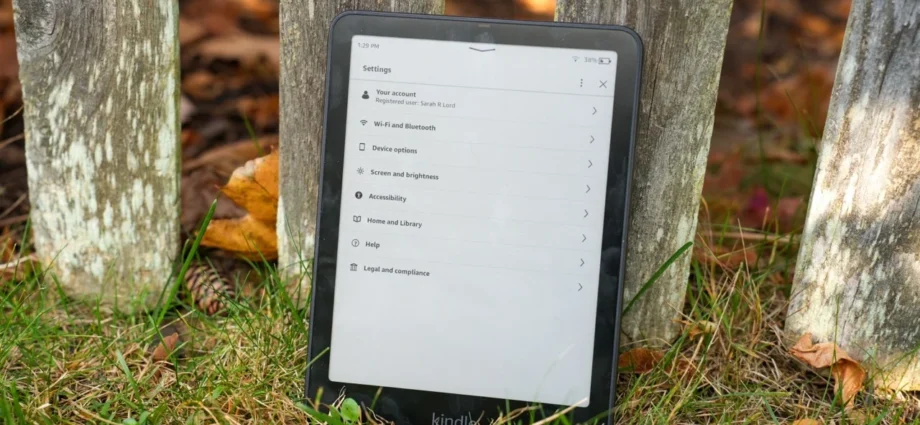
A color screen does not sound like a reading crisis until shoppers start seeing empty delivery windows. The Kindle Colorsoft has turned into one of those rare gadget stories where interest comes from a simple reader habit: people want their books to feel richer without turning reading into tablet time. For U.S. buyers watching review pages, deal alerts, and Amazon stock changes, the sudden rush makes sense. This is not only about color. It is about covers that look alive, comics that stop feeling compromised, maps that make sense at a glance, and highlights that finally feel useful. That mix has made the device feel less like a novelty and more like the missing middle between a classic e-ink reader and an iPad. Early consumer tech coverage helped frame the rush around one plain question: is a calmer screen with color worth paying more for? For many readers, the answer moved from “maybe later” to “buy before it disappears.”
Why Kindle Colorsoft Became the E-Reader People Wanted to See in Person
The first wave of interest came from curiosity, but the second wave came from trust. A color e-reader has to clear a strange bar. It cannot look washed out, it cannot feel slow, and it cannot make black text worse. That is a hard bargain because most readers still spend the bulk of their time inside regular books, not comics or travel guides. The tension is simple: shoppers want color, but they do not want to lose the quiet feel that made Kindle popular in the first place. When positive coverage started saying the Colorsoft kept enough of that calm feel, the purchase started to feel safer.
Color finally solved a small daily annoyance
Book covers matter more than shoppers admit. On a black-and-white device, a library full of novels can look flat, even when the books are not. A thriller cover, a cookbook image, or a kids’ fantasy jacket loses part of its signal. You can still read, sure, but browsing feels dull.
That is where the Colorsoft finds its opening. A reader in Dallas checking a vacation guide, a parent in Ohio buying graphic novels for a child, or a book club member in Boston sorting monthly picks all get a more useful home screen. The gain is not loud. It is small, repeated, and easy to feel after a few days. It turns the device from a storage box into something closer to a real shelf.
The non-obvious part is that color may help people read more ordinary books, not fewer. Better covers can make a digital library feel less like a file drawer. When the shelf feels inviting, you are more likely to open something you forgot you bought. That is not a spec-sheet win. It is a habit win, and habit wins are what make e-readers stick.
Why Kindle reviews moved buyers faster than ads
Kindle reviews carried weight because reviewers were not all saying the same thing. Some praised the screen, speed, and reading comfort. Others warned that the price made less sense for people who read text-only novels. That mix made the praise feel earned, not sprayed from a marketing hose.
A buyer can smell forced hype. Here, the positive coverage worked because it still left room for doubt. When a reviewer says the device is great for comics, covers, and highlights but not the obvious value pick for every reader, shoppers can place themselves inside the answer. That kind of honesty speeds up decisions because it removes the need to decode a sales pitch.
That is why the stock chatter spread. The best kind of product review does not tell everyone to buy. It tells the right people why they might regret waiting. For a color-first reader, that regret can start the minute delivery dates begin slipping. A review does not need to shout when it catches the exact worry a shopper already had. That is how quiet confidence turns into quick checkout behavior.
Review Praise Met a Real Buying Moment
A strong review alone does not drain inventory. The timing has to be right. In the U.S., the Colorsoft landed in a market where more people already own older Kindles that still work, which means Amazon had to give them a reason to upgrade. A sharper processor or a lighter shell would not move everyone. Color gave the upgrade a visible reason. The broader Amazon Kindle family has trained shoppers to expect long battery life, glare control, and a calm reading surface. Color adds a reason to look again without asking people to learn a new device from scratch.
The upgrade case felt obvious for certain readers
The clearest buyers are not mystery-novel loyalists who read one paperback-style book at a time. They are readers with mixed shelves. Think manga, comics, cookbooks, children’s books, gardening guides, magazines, and travel titles. For them, a black-and-white screen always felt like a trade. The Colorsoft cuts that trade down.
One concrete example is a parent shopping for a middle school reader who bounces between chapter books and graphic novels. A standard Kindle can handle both, but the graphic novel side feels muted. A tablet handles color, but it also brings games, messages, and late-night glare. The color e-reader sits between those two worlds, which is exactly why it can feel sensible for families that want reading to stay reading.
Another example lives in nonfiction. A home cook using a digital cookbook does not need cinema-level color, but a dish photo, herb image, or sauce shade can help. A traveler reading a guide to national parks may not need every map to glow. They need enough color to make the page easier to understand. That is a modest promise, and it is stronger because it is modest.
That middle position is powerful. It does not beat a tablet on bright color. It does not beat a Paperwhite on pure value. It wins by giving a certain kind of reader fewer compromises at once. For a product category built on restraint, that matters.
Price resistance turned into a sorting tool
The higher price could have killed the rush. Instead, it filtered the audience. People who wanted the cheapest path to ebooks stayed with the entry Kindle or Paperwhite. People who wanted color without tablet noise paid attention.
That sounds like a weakness, but it helped the product story. A premium gadget becomes easier to understand when it has a clear buyer. The Colorsoft is not trying to be the budget answer. It is the answer for readers who already know why color matters to them. That makes the price debate sharper, not weaker.
American shoppers also understand upgrade math from phones and laptops. They know a higher price can be fair when the difference shows up every day. The Colorsoft pitch works the same way. It asks whether color will show up often enough to become part of the routine, not a trick you admire once.
This is where many buying guides miss the emotion. A device does not need to be the best value for everyone to sell fast. It needs to be the right value for enough people at the same moment. Review coverage gave those buyers permission to act. Once deal pricing or limited availability entered the picture, the choice felt less like a luxury and more like timing.
There is another quiet force here: gift logic. A Paperwhite can feel practical as a gift, but a color model feels more special in the box. For birthdays, graduations, Father’s Day, and summer travel, that matters. People often buy the nicer version when the purchase is meant to feel personal.
What Positive Coverage Got Right and Where Buyers Should Stay Careful
The best praise focused on the reading experience, not raw specs. Amazon has already said its color Kindle line includes features such as a high-contrast color display, warm light, weeks of battery life, and color highlights; buyers can check the official Amazon device announcement for the current family details. Still, features on a page are not the same as fit in your hand. That gap is where smart shoppers slow down. A device can win the headline and still be wrong for the person holding the credit card.
A better screen does not mean a better choice for everyone
If your Kindle life is mostly text, the Paperwhite still has a strong case. It costs less, feels proven, and works well for long reading sessions. Plain novels do not gain much from color once you are inside the chapter. That is the blunt truth.
The Colorsoft earns its space when color appears often enough to matter. A cook in Phoenix marking recipe photos, a student in Chicago sorting color highlights, or a comics fan in San Diego reading Sunday morning panels will feel the screen more often. That is a different pattern from someone who reads legal thrillers before bed. The same product can be a smart upgrade for one person and an expensive shrug for another.
The counterintuitive advice is to ignore the feature list for a minute and audit your last ten reads. If eight were text-only novels, the upgrade may feel charming but unnecessary. If half had images, covers, charts, or panels you cared about, the story changes. Your shelf knows more than the product page.
Review excitement can hide small tradeoffs
Positive Kindle reviews can make the device sound like the obvious future of reading. It may be, but early color e-ink still has limits. Color on an e-paper screen is gentler than a tablet. That is the point, but it also means no one should expect iPad-style glow or magazine-page punch.
There is also the matter of habits. Some people love page-turn buttons. Some want stylus notes. Some want library borrowing outside Amazon’s store path to feel more open. A device can earn praise and still leave those readers looking at Kobo, Boox, or a tablet. The Amazon Kindle lineup is strong, but it is not the only path for every reader.
This is why the smartest purchase is not the most excited one. It is the one matched to your reading life. A color screen can make the right library feel fresh. On the wrong library, it becomes an expensive cover viewer. That does not make the praise false. It makes the fit narrow enough to respect.
For anyone comparing models, a Kindle vs tablet reading comparison can help separate reading comfort from screen punch. That comparison matters because people often say they want color when what they want is focus. The Colorsoft is built for focus first, color second.
How Sellout Buzz Changes the Buying Decision
Once stock talk enters the story, shoppers stop comparing calmly. Delivery dates, deal windows, and review headlines create pressure. That pressure can be useful, but it can also make people buy a device before they understand why they want it. The better move is to separate shortage noise from personal fit. Sellout buzz is not always fake, but it is always emotional. It makes a quiet product feel like a race.
Scarcity makes a calm device feel urgent
E-readers are normally patient products. You buy one, keep it for years, and forget the upgrade cycle for a while. That makes a sellout story unusual. Phones and game consoles create launch rushes all the time. A reading device rarely does.
That is why the Colorsoft moment stands out. It turns a quiet category into a fast-moving shopping decision. A teacher in North Carolina planning summer reading, a commuter in New Jersey replacing an old device, or a grandparent in Florida buying a gift may all run into the same worry: order now, or wait and miss the easy window.
The odd insight here is that scarcity can make a slow product feel more desirable because it fights the normal e-reader mood. Reading is calm. Shopping during low stock is not. That contrast gives the story heat. It also explains why people who had ignored color e-ink for years suddenly start checking stock twice a day.
There is a social layer too. When review sites, deal pages, Reddit threads, and store pages all point at the same product, hesitation starts to feel costly. Nobody wants to pay more later or settle for a model they did not choose. That fear can be useful if it pushes a sure buyer to act. It is dangerous when it replaces thinking.
A low-stock message also changes how shoppers read reviews. They stop asking, “Is this perfect?” and start asking, “Will I be annoyed if I miss it?” Those are different questions. The second one creates faster orders, even when the first one still has a mixed answer.
The smarter play is to buy around use, not panic
If stock tightens, you still have choices. You can wait for the next delivery batch. You can buy the standard Kindle or Paperwhite if text reading is your main habit. You can compare rivals through a color e reader alternatives guide before paying more for the Amazon path.
For buyers who know color matters, waiting for the right configuration is better than grabbing the wrong one. Storage, ad status, case bundles, and warranty choices can change the final value. A rushed order may save a week and annoy you for years. No one enjoys protecting a purchase they made under pressure.
The best decision sounds boring: match the device to the books you open most. If color will change those sessions, the hype has substance. If not, the sellout story belongs to someone else. Low stock should sharpen your decision, not make it for you.
A practical test helps. Open your current reading app or old e-reader and scan the last month. If you keep pausing on covers, maps, panels, pictures, or highlights, color has a job to do. If every book looks fine in black and white, patience may save you money.
Conclusion
The Colorsoft rush says more about reader habits than gadget fashion. People are not asking for another screen to manage; they are asking for a book device that keeps the calm parts of e-ink while giving visual books room to breathe. That is why the positive coverage mattered. It gave buyers a clear reason to believe the Kindle Colorsoft was more than a color gimmick, while still leaving enough caution for value-minded shoppers. The next year of e-reader design will likely follow this pattern: less focus on raw specs, more focus on how digital shelves feel during daily use. For U.S. shoppers, the right move is not to chase every stock alert. Look at your actual reading pile, decide how often color earns its keep, then buy with patience instead of panic. The best device is the one that makes you open more books.
Frequently Asked Questions
Is a color Kindle worth it for regular novels?
It can be worth it if you care about cover browsing, color highlights, or occasional illustrated content. For plain text novels, a Paperwhite often gives better value. The reading upgrade becomes stronger when your library includes comics, manga, cookbooks, travel guides, or children’s books.
Why are color e-readers becoming popular now?
The screens have become better, faster, and easier on the eyes. Readers also own more visual digital books than they did years ago. Comics, graphic novels, recipe books, and study material make color feel practical rather than decorative.
Should I buy this device instead of a tablet?
Choose the e-reader if you want fewer distractions, longer battery life, and a softer reading screen. Choose a tablet if you need bright media, apps, video, or full-color web browsing. They solve different problems.
What type of reader benefits most from color highlights?
Students, nonfiction readers, book club members, and anyone who marks themes will benefit most. Color highlights can help separate quotes, questions, names, and key ideas. Casual fiction readers may use the feature less often.
Does color make battery life worse on an e-reader?
Color screens can affect power use depending on brightness, wireless activity, and page behavior, but e-readers still tend to last far longer than tablets. Most buyers should think in weeks, not hours, if they read under normal settings.
Is the Paperwhite still a better buy for many people?
Yes. The Paperwhite remains a strong choice for readers who want sharp text, water resistance, warm light, and a lower price. Color is meaningful only when your books and habits make use of it often enough.
What should I check before ordering during low stock?
Check delivery date, return window, storage size, lockscreen ad status, case bundle price, and warranty terms. Also compare the final cart price against a Paperwhite. Low stock should not push you into a poor configuration.
Will this make older black-and-white Kindles outdated?
No. Older models still handle regular books well. Color adds value for visual reading, but it does not ruin the core black-and-white experience. Many readers can keep an older Kindle and feel no need to upgrade yet.