
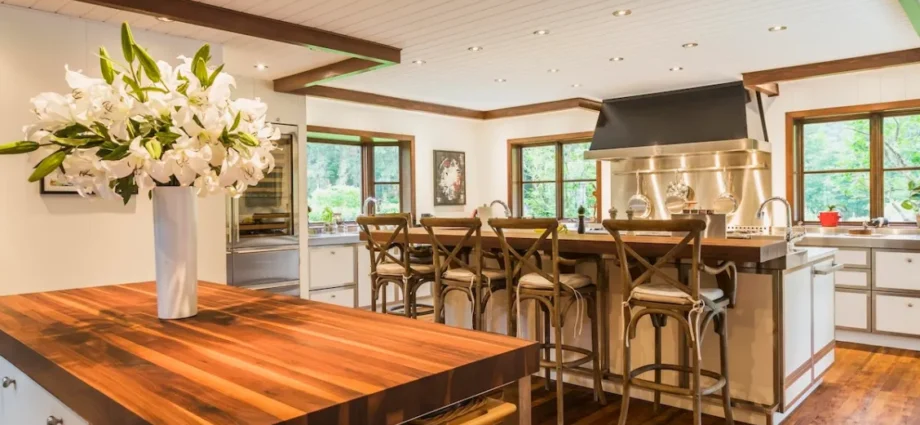
Commercial interior countertop materials play an important role in creating functional, attractive, and long-lasting spaces. From restaurants and hotels to offices and healthcare facilities, the right countertop choice affects appearance, maintenance, and daily performance. As businesses look for surfaces that balance design and durability, selecting the right material becomes a key part of interior planning. Hyundai L&C provides innovative surface solutions that support the needs of modern commercial environments.
Interior designers, architects, and business owners must consider more than appearance when choosing countertops. Factors such as durability, hygiene, maintenance requirements, and design flexibility all influence whether a surface can meet the demands of a busy commercial setting.
Understanding the Role of Commercial Countertop Surfaces
Countertops in commercial spaces experience frequent use. Reception desks, hospitality counters, workstations, retail displays, and food service areas must withstand regular contact, cleaning routines, and environmental conditions.
Unlike residential applications, commercial interiors often require materials that can maintain their appearance under heavier usage. A surface that performs well over time helps businesses reduce maintenance concerns while maintaining a professional atmosphere.
The right countertop material should provide:
- Strong resistance to daily wear and impact
- Easy cleaning and maintenance
- Design flexibility for different interior styles
- Reliable performance in high-traffic areas
- Compatibility with professional installation requirements
Understanding these needs helps decision-makers select surfaces that support both practical goals and visual concepts.
Types of Commercial Interior Countertop Materials
Different countertop materials offer unique advantages depending on the project requirements. Architects and designers often compare several surface options before selecting the best fit for a specific environment.
Quartz Surfaces for Commercial Applications
Quartz countertops are widely used in commercial interiors because they combine durability with a wide range of design options. These engineered surfaces are created using natural quartz minerals combined with resins, resulting in a strong and consistent material.
Quartz surfaces are commonly selected for:
- Hotel reception areas
- Corporate office spaces
- Retail environments
- Restaurant counters
- Hospitality projects
Their low-maintenance characteristics and variety of colors, patterns, and finishes make them suitable for spaces that require both style and performance.
Solid Surface Materials for Flexible Designs
Solid surface countertops offer designers additional flexibility because they can be shaped and customized for unique applications. These materials are commonly used where smooth appearances, integrated designs, and creative fabrication are important.
Solid surface materials are often considered for:
- Healthcare environments
- Commercial wash areas
- Customer service counters
- Modern office interiors
Their non-porous characteristics make them a practical option for spaces where cleanliness and regular maintenance are priorities.
Natural Stone Countertops for Premium Interiors
Natural stone remains a popular choice for commercial projects that require a distinctive appearance. Materials such as granite and marble offer unique patterns created by natural formations.
These surfaces are often selected for luxury hospitality projects, executive offices, and high-end retail locations where visual character is an important design element.
However, natural stone requires careful maintenance planning, including proper sealing and cleaning practices, to preserve its appearance over time.
Key Factors When Selecting Countertop Materials
Choosing commercial countertop materials requires a careful review of project goals. A visually appealing surface may not always be the best choice if it cannot meet the demands of the environment.
Durability and Daily Performance
Commercial countertops must handle frequent activity. Restaurants may require surfaces that tolerate spills and repeated cleaning, while office environments may prioritize resistance to scratches and general wear.
Material strength, surface composition, and installation quality all contribute to long-term performance.
Maintenance Requirements
Maintenance needs should be considered before selecting a countertop material. Businesses often benefit from surfaces that are simple to clean and require minimal upkeep.
A practical material choice can help facility teams maintain clean and professional interiors without complicated care routines.
Design Compatibility
Commercial interiors often reflect a company’s identity and customer experience. Countertop materials should complement flooring, cabinetry, lighting, and other design elements.
Modern surface collections provide options ranging from natural stone appearances to contemporary solid colors, allowing designers to create cohesive interior concepts.
Hygiene and Surface Performance
In healthcare, food service, and hospitality settings, hygiene is a major consideration. Countertop materials with non-porous surfaces can help support easier cleaning practices by reducing areas where moisture and contaminants may collect.
Material selection should always align with the specific standards and requirements of the commercial environment.
How Surface Selection Influences Commercial Interior Design
Countertops are not simply functional components. They contribute to the overall impression of a space and can influence how visitors, employees, and customers experience an environment.
A reception desk with a refined surface can create a professional first impression. A restaurant counter with durable materials can support efficient operations while maintaining a welcoming appearance.
Designers should consider how countertop materials interact with:
- Brand identity
- Lighting conditions
- Traffic patterns
- Interior color schemes
- Long-term maintenance plans
A thoughtful approach ensures the chosen surface supports both aesthetic goals and everyday requirements.
Sustainability Considerations in Commercial Surface Choices
Many businesses are placing greater attention on responsible material selection. Sustainable design involves considering the lifespan of materials, maintenance requirements, and overall project impact.
Long-lasting countertop materials can support sustainable building strategies by reducing the need for frequent replacements. Choosing durable surfaces also helps businesses maintain consistent interior quality over many years.
When evaluating materials, project teams should review manufacturing practices, material composition, and expected performance to make informed decisions.
Working With Experienced Surface Professionals
Selecting the right commercial countertop material is only one part of a successful project. Professional guidance can help ensure the chosen surface matches the intended application, design goals, and installation requirements.
Experienced suppliers and fabricators can provide insight into:
- Suitable materials for specific environments
- Surface care recommendations
- Fabrication possibilities
- Installation considerations
- Design coordination
Early collaboration between designers, contractors, and material specialists helps prevent challenges during construction and ensures the final result meets expectations.
Future Trends in Commercial Countertop Design
Commercial interiors continue to change as businesses seek spaces that are functional, attractive, and adaptable. Surface designs are becoming more diverse, with materials available in realistic stone patterns, modern finishes, and customized solutions.
Some growing trends include:
- Minimalist designs with clean visual lines
- Multi-functional surfaces for flexible spaces
- Durable materials for high-use environments
- Personalized design options for brand-focused interiors
As commercial spaces continue to develop, countertop materials will remain an important element in creating interiors that balance performance and style.
Choosing the Right Commercial Interior Countertop Materials
Selecting the best commercial interior countertop materials requires a balance between appearance, durability, maintenance, and project requirements. The ideal surface should support daily operations while contributing to the overall design vision.
By evaluating material characteristics, understanding application needs, and working with trusted professionals like Hyundai L&C, businesses can choose countertops that provide lasting value. A carefully selected surface becomes more than a design feature; it becomes a practical investment that supports the function, efficiency, and appearance of commercial spaces for years to come.