
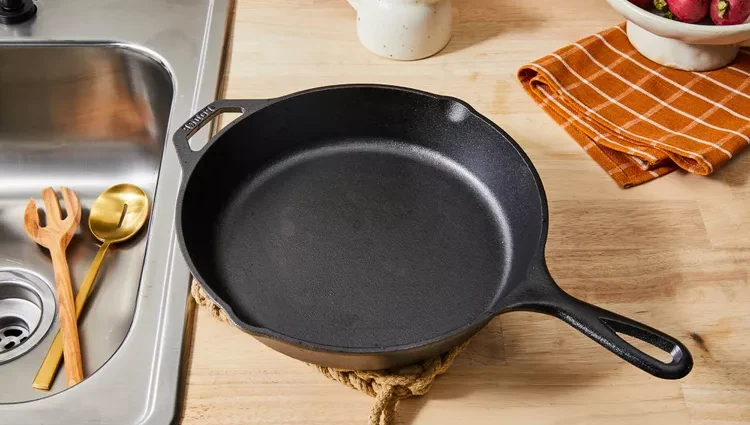
Few kitchences. The Cast Iron Skillet is back in the spotlight because shoppers are tired of fragile cookware, confusing coatings, and kitchen gear that feels dated after one season. That is the unexpected part. The buzz is not only about steak crusts or cornbread. It is about trust. Americans are looking at their kitchens with a sharper eye, and a Lodge cookware set feels like the opposite of a short-lived gadget. It is heavy, simple, and honest about what it does. That kind of thing travels fast online, especially when people compare long-term purchases through consumer product stories that track real value. The new attention also comes from younger cooks who want seasoned cast iron without treating it like a museum piece. They want one pan for eggs, burgers, biscuits, camping, and late-night grilled cheese. Not perfect. Dependable.
Why the Cast Iron Skillet Went Viral Again
The latest wave of attention says something bigger than “people like old pans.” It shows a quiet pushback against over-designed kitchens. For years, cookware marketing told shoppers they needed special surfaces, special utensils, special cleaners, and a warning label for every mistake. Then a black iron pan shows up and says: heat me, oil me, use me. That blunt promise feels fresh because so much new kitchen gear feels nervous.
Social clips turned flaws into selling points
The weight should have been a problem. Online, it became proof. A heavy pan landing on a stovetop says something a glossy ad cannot: this thing has mass, and mass holds heat. When someone sears a pork chop in a small apartment kitchen or flips potatoes in a camp setup, the pan looks less like a prop and more like a tool.
That matters because social media usually rewards speed and shine. The Lodge cookware set wins in a stranger way. It rewards the moment after the sizzle, when the brown edge appears and people can see the result. A nonstick pan can cook the same food, but it rarely creates the same visual confidence.
The counterintuitive part is that cast iron’s learning curve helps the trend. A pan that needs care gives creators something to teach. One video shows a rusty thrift-store pan being saved. Another shows a new pan cooking bacon, then eggs, then toast. The story keeps going because the pan changes with use.
The comeback is also about purchase fatigue
Many American shoppers have bought a “forever” item that lasted two years. Coffee makers crack. Knife blocks dull. Cheap pans warp. That makes durable American kitchen cookware feel less nostalgic and more practical. People are not only buying a pan. They are buying relief from replacement culture.
A Lodge cookware set also sits in a rare price lane. It can feel gift-worthy without acting like luxury cookware. For a young couple in Ohio, a college student in Texas, or a family setting up a first home in Arizona, that balance matters. It looks serious, but it does not demand a chef’s budget.
Here is the twist: the pan’s plainness is part of its modern appeal. In a kitchen full of screens, timers, sensors, and apps, a piece of seasoned cast iron feels calm. It does not update. It does not pair with your phone. It asks for heat and attention. That is enough.
The Real Pull Is Old-School Value in a Noisy Kitchen
The second reason this set keeps catching attention is value, but not the thin kind that means “cheap.” Real value in cookware comes from repeat use. A bargain pan that sits in the cabinet is expensive by the meal. A heavy skillet that gets used four nights a week earns its space fast.
One set covers more meals than people expect
A good cast iron set can handle breakfast, dinner, baking, and outdoor cooking. That range is why the conversation keeps widening. A small pan can manage eggs or a single burger. A larger one can take chicken thighs, roasted vegetables, or a skillet cookie. The same tool can move from stovetop to oven without drama.
That matters in American homes where counter space is not always generous. A renter in Denver may not have room for a full cookware wall. A family in suburban Georgia may still want fewer pieces to wash after dinner. Cast iron cooking fits both because it trims the tool count without making dinner feel limited.
The non-obvious point is that a set can be simpler than one pan. One pan forces every meal into the same footprint. A set lets the cook choose the right size, which means better heat behavior and less cleanup. A small lunch does not need the big pan. A Sunday breakfast probably does.
The price feels different when the pan can age well
Most cookware is judged on day one. Cast iron gets judged on year five. That shift changes the math. A new pan may look rough beside slick nonstick, yet the iron surface can improve with use if the owner cleans, dries, and oils it with care.
That is why seasoned cast iron has a loyal audience. The surface is not a disposable coating in the usual sense. It is built through heat, oil, and habit. A pan used for bacon, cornbread, onions, and burgers gains character. It becomes easier to cook with because the owner learns its pace.
For readers comparing options, durable cookware buying tips should focus less on the first unboxing and more on weeknight behavior. Does it heat evenly enough for your stove? Can you lift it safely? Will you clean it the same night? These questions matter more than a polished product photo.
How the Set Fits Everyday American Cooking
A pan trend only lasts if it survives dinner at 6:45 p.m. That is where this set makes sense. It suits the food people cook when they are tired: burgers, grilled sandwiches, potatoes, chicken, pancakes, fajitas, and baked sides. None of that needs fancy technique. It needs steady heat and a little patience.
It turns basic meals into better meals
A cast iron pan gives familiar food a stronger edge. Potatoes get crisper. Burger patties brown better. Cornbread forms that deep golden border people argue over at family tables. Even frozen vegetables can taste less flat when they hit a hot pan instead of steaming in a crowded sheet tray.
Think about a weeknight in a small kitchen in Pennsylvania. You have chicken thighs, a bag of carrots, and no energy for a big cleanup. The pan starts on the stove to brown the chicken. Then it goes into the oven with the carrots. Dinner feels planned, even if it was pieced together after work.
That is the kind of cooking people share because it is reachable. Cast iron cooking does not require restaurant gear. It rewards timing, not status. A beginner can learn one habit at a time: preheat gently, add fat, avoid crowding, dry the pan after washing.
It works indoors, outdoors, and in between
One reason American kitchen cookware has changed is that home cooking no longer happens only in the kitchen. People cook on patios, at campsites, in RVs, on grills, and in short-term rentals. Cast iron fits that mixed life better than many delicate pans.
A Lodge cookware set can go from a gas burner to an oven, and many pieces can work on grills or campfires. That flexibility explains part of the renewed attention. The same pan can make pancakes at home on Monday and breakfast over a camp stove on Saturday.
The surprise is that outdoor use makes indoor cooks less afraid of the pan. Once someone sees cast iron handle a grill grate or a campfire, a glass stovetop feels less intimidating. The pan starts to look sturdy instead of fussy. That mental shift turns hesitant buyers into daily users.
Care Myths Are Helping the Trend, Not Hurting It
The care debate should have scared people away. Instead, it keeps pulling them in. Soap arguments, seasoning rituals, rust fixes, oil choices, and storage tricks have turned a simple pan into a social object. People do not only cook with it. They talk about how they treat it.
The soap myth keeps creating new owners
For years, many people heard that soap would ruin cast iron. That rule made the pan sound fragile, which was odd for something built like a kitchen brick. Now more owners are learning that mild soap can be fine when the pan is washed by hand, dried fully, and protected from soaking. Lodge’s own cast iron cleaning guide supports that more relaxed approach.
This matters because fear kills use. A pan that feels easy to ruin stays in the cabinet. A pan that can survive a normal hand wash gets invited into dinner. The care routine becomes simple: clean it, dry it, add a thin film of oil when needed.
The counterintuitive lesson is that fewer rules can create better care. When owners stop treating the pan like a sacred object, they use it more. More use builds better seasoning. Better seasoning makes cleanup easier. The cycle improves because the cook stopped panicking.
Seasoning is a habit, not a ceremony
Seasoning sounds technical, but the daily version is plain. Heat, fat, food, cleaning, drying. Repeat. The pan does not need a dramatic ritual after every grilled cheese. It needs consistent moisture control. Water left behind causes more trouble than a small amount of soap.
This is where beginner kitchen care advice can help new owners. The goal is not to make the pan look untouched. The goal is to keep it dry, smooth enough for cooking, and free from sticky buildup. A little dark residue on a towel is not a crisis.
A real kitchen tool earns marks. It may show dull patches, shiny patches, or spots that need attention. That is not failure. It is evidence that the pan lives in the kitchen, not above it. And for many shoppers, that lived-in quality is the reason the trend feels different this time.
Conclusion
The renewed attention around this cookware set is not random, and it is not only about nostalgia. It reflects a change in what shoppers respect. People want tools that can take heat, survive mistakes, and keep earning their place after the online excitement fades. The Lodge Cast Iron Skillet fits that mood because it feels plain in the best way: direct, sturdy, and useful across meals. It also gives new cooks a small skill ladder. Learn heat control. Learn cleanup. Learn how food sounds when it is browning instead of steaming. That is a better reward than another gadget with a short life. The smartest buyers will not treat the trend as a race to grab whatever is popular. They will choose the pieces they can lift, store, and use often. Buy the set only if it fits the way you cook, then let the pan prove itself one meal at a time.
Frequently Asked Questions
Is a Lodge cookware set worth buying for beginners?
Yes, especially for beginners who want sturdy cookware without a high price. Start with simple foods like grilled cheese, burgers, roasted vegetables, and cornbread. The main learning points are heat control, drying after washing, and using a thin layer of oil.
How do I clean a cast iron pan after cooking?
Wash it by hand with warm water, use mild soap when needed, then dry it fully. For stuck food, use a scraper or coarse salt. After drying, add a thin film of cooking oil if the surface looks dull.
Can I use Lodge pans on an induction stove?
Many Lodge cast iron pieces work on induction because iron is magnetic. The pan bottom must sit flat for best contact. Lift the pan instead of sliding it, since the weight can scratch a glass cooktop.
What foods should I cook first in seasoned cast iron?
Start with forgiving foods that contain some fat. Bacon, burgers, sausage, pancakes, potatoes, and grilled sandwiches are good choices. Wait on delicate eggs or long tomato sauces until the seasoning has improved through regular use.
Why does food stick to my cast iron pan?
Food often sticks because the pan was too cold, too dry, or crowded. Preheat over medium heat, add enough fat, and let food brown before moving it. Many sticking problems come from rushing, not from a bad pan.
Is cast iron too heavy for daily cooking?
It can be heavy for some users, so size matters. A smaller pan may work better for daily meals than the largest piece in a set. Choose cookware you can lift safely with one hand or two steady hands.
Can cast iron replace nonstick cookware completely?
It can replace nonstick for many meals, but not every cook will want that. Delicate omelets and low-fat eggs are easier in a slick nonstick pan. Cast iron shines with browning, baking, roasting, and high-heat cooking.
How long does a Lodge pan usually last?
With basic care, it can last for decades. Rust, dull seasoning, and stuck-on residue can usually be fixed. The key is simple: do not soak it, do not put it in the dishwasher, and dry it fully after every wash.