
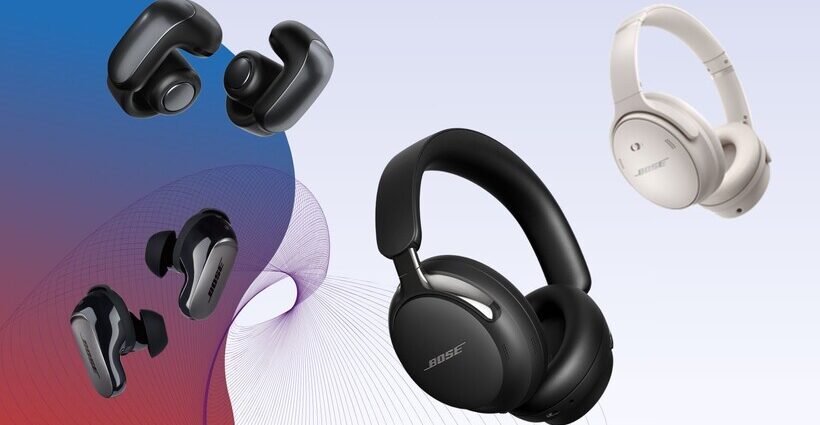
A premium headphone does not become a runaway favorite because shoppers love long spec sheets. Bose QuietComfort Ultra Headphones are winning attention because they solve a daily problem Americans feel in airports, apartments, coffee shops, open offices, and loud homes: too much noise, too little calm. That is the purchase driver behind the buzz. People want sound that feels rich, calls that do not fall apart, and quiet that arrives before their patience runs out.
The sharper story is not that Bose made another luxury audio product. It is that buyers now treat headphones as personal space. That is why a strong demand cycle makes sense, especially when deal coverage, direct-store discounts, and retail visibility all point in the same direction. The mood around them feels less like impulse shopping and more like buyers upgrading a daily habit. For readers tracking consumer tech trends through premium product demand coverage, the lesson is plain. The winners are not always the devices with the wildest feature names. They are the ones that make an ordinary Tuesday easier.
Why Bose QuietComfort Ultra Headphones Became the Premium Pick Buyers Trust
The current wave of interest starts with a simple shift: shoppers are tired of buying headphones that sound fine for ten minutes and annoy them by lunch. A $300-plus pair has to earn its place every hour, not only in the first song. This is where brand memory helps Bose. Many Americans know the name from travel, home audio, or older QuietComfort models, so the risk feels lower. That matters because the mainstream buyer does not want to study audio forums before making a decision. They want confidence before checkout, then comfort after the package arrives.
The purchase is less about specs than relief
People often compare noise cancelling headphones by asking which pair blocks the most sound. That is a fair question, but it misses the human part. A commuter on the Blue Line in Chicago, a parent taking a video call near a dishwasher, and a student in a packed library do not want a lab contest. They want their brain back.
That is where Bose keeps winning trust. The quiet feels less like a wall and more like pressure leaving the room. You still know the world exists, but it stops grabbing your sleeve every few seconds. This is a quiet kind of luxury, and it matters more than one extra codec on a comparison chart. For many buyers, that feeling is easier to understand than frequency graphs.
The counterintuitive point is that the best active noise cancellation does not always feel aggressive. Some headphones create a sealed, underwater mood that bothers people after an hour. Bose tends to feel softer around the edges, which helps explain why buyers who are not audio nerds still feel confident choosing it. The less the technology calls attention to itself, the more useful it becomes.
The comfort story matters after hour one
A headphone can win a store demo and lose a workday. Clamp force, cushion heat, hinge pressure, and headband weight all show up later, when the return window starts to matter. The Ultra design is built for the long session, not the quick test. That is the difference between a product people praise and a product people keep.
That matters in the U.S. market because people use one pair for everything now. The same headphones may handle a Denver-to-Atlanta flight, a gym warm-up, a Zoom meeting, and a late-night Netflix episode. Nobody wants a second pair for each setting unless they are deep into gear collecting. The mainstream buyer wants one dependable tool that does not make them think about the tool.
One small detail says a lot: removable cushions. That sounds boring until the second year, when ear pads flatten, crack, or hold sweat. A premium pair becomes easier to defend when the parts that touch your skin are not treated as throwaway design. Longevity is a feature, even when it does not look flashy on a product card. The best comfort story is not soft padding on day one; it is a product that still feels wearable after months of ordinary use.
What Shoppers Notice First in Daily Use
After the first purchase thrill fades, headphones live or die by habit. You pick them up without thinking, and that is when the truth comes out. The best pair disappears into the routine. The wrong pair keeps asking for attention. Do they pair fast? Do they pinch? Do they make phone calls sound thin? Do they turn a noisy room into a place where you can finish the task? That daily test is harsher than any launch campaign, and it is where brand trust becomes either earned or exposed.
Noise cancelling headphones win when life gets loud
The strongest case for noise cancelling headphones is not silence for its own sake. It is lower listening strain. When outside noise drops, you are less tempted to push music or podcasts to harsh levels. That matters because safe listening is not a vague wellness tip; the NIOSH noise guidance treats 85 dBA over an eight-hour workday as a key exposure limit for hearing risk.
Think about a flight from Dallas to Los Angeles. Cabin roar is constant, announcements cut through, and the person beside you may be watching videos without shame. Poor headphones make you fight the plane. A strong pair lets you listen at a calmer level and still hear the dialogue. The same logic applies in a city apartment when sirens, hallway noise, and upstairs footsteps all arrive during one meeting.
The non-obvious insight is that great cancellation can make you use less audio, not more. Many people put on headphones with no music because the quiet itself helps them think. That is not a side use anymore. It is one reason premium models have moved from entertainment gear into daily survival gear. Silence has become a feature people are willing to pay for.
Why wireless over ear headphones still beat earbuds for focus
Earbuds are easier to pocket, and for errands they make sense. But wireless over ear headphones still have an edge when focus is the point. The larger cups create a physical boundary before the electronics even start working. Your ears feel covered, and your attention follows. That may sound minor, but it changes how quickly you settle into a task.
That is why over-ear designs remain common in home offices. A person working from a kitchen table in Phoenix or a shared apartment in Brooklyn is not only blocking sound. They are sending a signal: I am working, do not pull me into every small noise. The social cue matters. It can prevent interruptions before they happen, which no spec sheet can measure well.
Wireless over ear headphones also tend to feel less fussy during long sessions. You are not reseating a bud after chewing, adjusting a tip, or worrying about one side slipping under a winter hat. The tradeoff is bulk. The reward is stability, and for many buyers that is an easy bargain. Earbuds win the pocket; over-ears often win the workday.
The Features That Make the Ultra Feel More Expensive
Premium headphones need one trait that cheaper rivals cannot fake: polish. A lower-cost model can offer a long battery claim, a big bass setting, or a glossy app. The harder part is making all those pieces feel calm together. This is where the Ultra line draws much of its appeal. The buyer should not feel like they are managing a gadget every time they want to listen. Premium audio is at its best when the owner stops admiring the product and starts trusting it.
Spatial audio headphones are useful when the effect stays controlled
Spatial audio headphones can sound like a gimmick when the effect is pushed too far. Voices drift, instruments stretch, and the music starts performing tricks instead of playing songs. Bose has taken a more restrained route. The appeal is not that every track turns into a movie scene. It is that certain content feels wider without losing the center, which is harder to get right than it sounds.
That matters for people who watch shows on a tablet in bed, play games at a desk, or follow live concert clips on a phone. Dialogue can feel less trapped between the ears. A movie score can breathe a little. The effect does not need to be dramatic to be useful. For a late-night episode while someone sleeps nearby, that extra sense of space can make a small screen feel less small.
Here is the counterintuitive part: the best use of spatial sound may be turning it off sometimes. For a podcast, audiobook, or stripped-down folk record, plain stereo can feel more honest. A good premium product gives you control without making you feel guilty for choosing the simple mode. Spatial audio headphones earn trust when they do not bully the listener into using the feature all day.
Battery life matters most when you stop thinking about it
Battery life claims are easy to skim past until you forget to charge before a trip. The 2nd Gen Ultra model is rated by Bose for up to 30 hours of playback in standard listening modes, with less time when Immersive Audio is on. That is enough for a weekend of normal use, not only a single commute. The point is not bragging rights. It is the relief of finding power left when you expected a warning tone.
The more useful detail is quick charging. A short top-up before leaving the house can cover a gym session, a grocery run, or the first leg of a trip. This is not glamorous, but it changes how often the headphones feel ready. Readiness is one of the hidden reasons people become loyal to a device. The gear that waits for you calmly becomes the gear you recommend.
Buyers should also care about wired options more than they think. USB-C audio support and an included audio cable make the pair less dependent on Bluetooth moods. On an airplane screen, a laptop, or a desktop setup, the ability to plug in keeps the product from feeling trapped in one use case. That old-school flexibility now feels fresh. In a market obsessed with wireless everything, a wire can be the smarter backup plan. It also helps the headphones age better, because listening needs change faster than most people expect.
How U.S. Buyers Should Judge the Hype Before Paying
The hype is loud, but the right buying decision is quieter. A bestseller can be the right product for many people and still be the wrong product for you. That is especially true with headphones, because fit, head shape, work style, and travel habits change the experience. The smart move is to judge the headphones against your routine, not against the crowd. That approach protects you from paying for status when what you need is comfort, focus, and fewer small annoyances.
The best deal is not always the newest box
Deal season creates strange pressure. A first-generation Ultra at a steep discount may be a better buy than the newer model for someone who mainly wants strong quiet, comfort, and premium sound. The 2nd Gen model adds refinements, but not every buyer needs every upgrade. Shoppers often forget that last year’s flagship does not become bad because this year’s box arrived.
This is common in consumer audio. The product with the highest current price is often the easiest to admire, while the outgoing model is easier to live with financially. A family buying two pairs for college students may care more about total cost than a small feature gap. A remote worker replacing old headphones may care more about return policy than a listening mode they may never use.
That does not mean the newer model lacks value. It means the value depends on use. If USB-C audio, longer rated battery life, and the newer listening modes matter to you, paying more can make sense. If your main goal is quiet on flights and calls that sound clean, a sale on the prior version deserves a hard look. The smartest purchase may be the one that feels a little less exciting at checkout and much better on your credit card bill.
Match the headphones to your real routine
Start with where you will wear them. For daily train rides, active cancellation and comfort sit at the top. For remote work, microphone clarity and easy device switching matter more. For travel, battery life, case size, and wired backup become part of the decision. A strong product can still disappoint when the buyer asks it to solve the wrong problem.
A buyer in Los Angeles who works near construction noise may value Aware Mode because total isolation can feel unsafe near streets. A frequent flyer from Atlanta may care less about outside awareness and more about cabin roar. A college student in Boston may judge the pair by library focus during finals week. Same product, different scorecard. That is why personal routine should beat social proof. A product can be popular for valid reasons and still fail your own day if you ignore where, when, and how you listen.
Use a simple test before buying: name your top two uses and your top two annoyances. If the headphones solve those four items, the purchase has a strong case. If they mainly impress you with features you will forget by next month, save the money or wait for a sharper sale. For deeper planning, compare them with a home office audio setup guide and a travel tech buying checklist before you commit.
Conclusion
The premium headphone market is crowded, but buyers keep rewarding products that make life feel calmer without turning setup into homework. Bose has found that lane and stayed in it. That is a harder advantage than it looks, because shoppers forgive fewer flaws when the price climbs. The appeal is not only sound quality, and it is not only silence. It is the mix of comfort, control, trusted quiet, and daily ease.
That is why Bose QuietComfort Ultra Headphones can sit at the center of so many buying conversations without feeling like a short-lived trend. They fit the way Americans use audio now: at work, in transit, at home, and in the small pockets of peace between obligations. The smartest buyers will still compare prices, model years, and real needs before paying premium money. They will also remember that comfort is personal, so a return policy can matter as much as a discount.
Do that, and the hype becomes useful instead of noisy. The right choice should lower friction from the first morning commute to the last call of the day. Choose the pair that gives your day more room.
Frequently Asked Questions
Are Bose Ultra headphones worth it for everyday use?
Yes, if you need strong noise control, soft comfort, and reliable performance across work, travel, and home listening. They make the most sense for people who wear headphones for hours, not buyers who only need a cheap pair for short calls.
What makes Bose Ultra different from standard QuietComfort models?
The Ultra line adds a more premium design, higher-end listening features, Immersive Audio options, and stronger positioning around advanced noise control. Standard QuietComfort models can still be excellent, especially when discounted, but the Ultra line feels more polished.
Are these better for flights or office work?
They are strong for both, but flights show their value faster. Cabin noise makes active cancellation easy to notice. In an office, the benefit is more about steady focus, fewer distractions, and a clear boundary during calls or deep work.
Do spatial audio headphones improve music quality?
Sometimes. Spatial effects can make movies, live tracks, and some modern mixes feel wider. They do not improve every song. For podcasts, audiobooks, and simple acoustic tracks, standard stereo may sound cleaner and more natural.
Should I buy the newest Bose model or wait for a sale?
Buy the newest model if its battery, wired audio, and feature updates match your needs. Wait for a sale if your main goal is comfort and quiet. Prior versions can be a smart buy when the discount is strong.
Are over-ear headphones better than earbuds for noise cancellation?
Often, yes. Larger earcups help block sound before active cancellation begins, which can improve focus and reduce listening strain. Earbuds are better for portability, workouts, and pocket carry, but over-ear models usually feel calmer for long sessions.
Can noise cancellation help protect hearing?
It can help indirectly because you may listen at lower volumes in loud places. It does not make loud listening safe by itself. Keep volume moderate, take breaks, and pay attention to how long you listen each day.
Who should skip premium Bose headphones?
Skip them if you only listen for a few minutes at a time, dislike over-ear pressure, or need a rugged gym-first design. Budget headphones may also be enough if you mainly watch short videos in quiet rooms.