
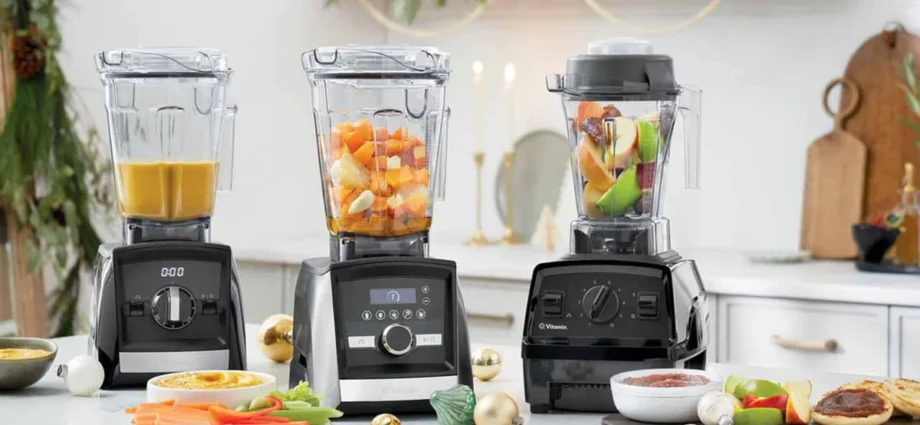
Countertop appliances earn their space only when they remove work from a real kitchen day. That is why the Vitamix Blender launch is pulling attention from American home cooks who want smooth blends, warm soup, and fast cleanup from one machine. For readers tracking practical kitchen upgrades through consumer product news, the draw is easy to understand: this is not about another shiny gadget for a shelf. It is about one tool that can handle breakfast, lunch prep, and dinner shortcuts without turning the sink into a second job. The self-cleaning cycle matters because sticky smoothies, nut sauces, and soup residue often decide whether people use a blender twice a day or twice a month. The heated soup function matters because it shifts the blender from snack duty into meal duty. That is the real story. A premium blender wins when it gets used on a cold Tuesday night, after work, when nobody wants another pan to scrub. The pitch lands because it respects how tired kitchens actually feel.
Why the Vitamix Blender Promise Is About Fewer Dirty Pots
A lot of kitchen launches chase bigger motors, sleeker bases, or phone-style feature lists. Those things look nice on a box, but they do not always change dinner. The bigger win here is more ordinary. You can move from raw ingredients to a warm bowl of soup, then clean the container without taking apart blades or soaking parts in the sink.
That sounds small until you picture a busy home in Ohio, Texas, or New Jersey on a school night. Someone wants tomato soup with grilled cheese. Someone else wants a smoothie before practice. The person doing cleanup wants fewer parts on the counter. A self cleaning blender and a heated soup blender both answer that pressure from different sides.
How a self cleaning blender changes weeknight cooking
The best cleaning feature is the one that makes you use the machine again tomorrow. Many people buy high-end appliances with good plans, then stop reaching for them because cleanup feels larger than the meal. Peanut butter clings under the blade. Berry seeds dry near the lid. Oat milk foam leaves a ring if you walk away.
A self cleaning blender lowers that small mental tax. Add warm water, a drop of soap, run the program, and rinse. It does not replace common sense. You still need to handle stains, odors, and stuck-on paste with care. Yet it removes the worst part of daily use, which is the moment when a good meal idea turns into a sink project.
Here is the counterintuitive part: cleaning is not a side feature. It is a cooking feature. A blender that cleans itself with little effort can change what you make because it lowers the penalty for trying. You may make a green smoothie before work and a quick sauce at dinner because the container will not sit in the sink like a warning sign.
The same point applies to families that cook in layers. One person wants a protein shake. Another wants a fruit smoothie. Later, someone blends enchilada sauce. Without fast cleaning, each use borrows energy from the next one. With it, the machine returns to ready mode before the kitchen mood drops.
Why a heated soup blender matters on cold nights
A heated soup blender makes sense in homes where dinner has to be warm, fast, and flexible. The appeal is not that everyone will stop using pots. They will not. The appeal is that a blender can turn roasted squash, broth, garlic, and seasonings into a smooth meal without transferring everything through extra cookware.
That matters most when you cook in small batches. A parent may want one bowl after a late shift. A college student may want something better than instant noodles. A retired couple may want soup without filling a large stockpot. In those moments, a machine that blends and warms in the same container feels less like a luxury and more like a smart shortcut.
There is also a texture advantage. Soup from a weaker machine can taste thin even when the flavor is good, because fibrous vegetables never fully break down. A strong blender can make carrots, beans, cauliflower, or tomatoes feel creamy without heavy cream. That is where the heated function becomes more than heat. It helps turn simple ingredients into food that feels finished.
The better way to see it is as a comfort feature. Cold weather changes what people want from appliances. A blender that handles frozen fruit in July and roasted red pepper soup in January has a longer season of use. That wider calendar matters more than a feature list that looks impressive and then sits idle.
The Kitchen Problem This Launch Is Actually Solving
Most American kitchens do not need more appliances. They need fewer appliances that do more of the right work. That is the tension behind this launch. People like the idea of homemade smoothies, nut butters, dips, sauces, and soups, but they dislike the sprawl of tools that comes with that ambition.
A blender can only justify a premium price when it earns repeat use. Not once during a weekend recipe test. Not only when guests come over. Every week. That is why this new Vitamix model has to be judged less like a gadget and more like a small kitchen system. It either removes steps, or it becomes counter clutter.
Small kitchens need one machine with real range
In a tight apartment kitchen, every inch works hard. A Brooklyn renter, a Phoenix condo owner, or a family in a starter home may not have room for a blender, food processor, soup maker, and immersion blender. One machine that handles several daily tasks has a clearer role.
Range matters, but only when the tasks are tasks you already do. Smoothies are obvious. Sauces are where the value grows. Think salsa for taco night, cashew cream for pasta, pancake batter on Saturday, or a quick dressing that does not taste bottled. Add hot soup, and the machine moves from morning use into dinner.
The non-obvious insight is that a premium blender can save space even if it looks large. A low-cost blender may be smaller, but it often needs help from strainers, pans, and extra blending rounds. The machine with more power can reduce the supporting cast. That is where counter space and cabinet space start telling different stories.
There is a behavior piece too. If the machine stays visible and useful, it becomes part of your cooking pattern. If it hides behind a stand mixer and a stack of sheet pans, it becomes an idea you once had. The winner is not always the smallest appliance. It is the one that earns the easiest reach.
Why presets help more when you cook after work
Manual control still matters. Good cooks like choosing speed, texture, and timing. Yet presets earn their place when your brain is tired. After work, after traffic, after a grocery run with two substitutions, a soup or cleaning program can reduce the number of small choices between you and dinner.
That is why a self cleaning blender has such broad appeal. It is not only for people who dislike washing dishes. It is for people who lose momentum after the meal. When cleanup starts before food dries, the machine stays pleasant to own.
Presets also help newer cooks. A teenager making a smoothie before school does not need to guess the right speed curve. A dad making frozen fruit drinks does not need to stand over the dial the whole time. A soup setting gives structure to a task that might otherwise feel like a recipe risk. Automation works best when it removes doubt without taking away control.
There is a quiet confidence in that. A cook can still adjust salt, add acid, change thickness, or pulse for texture. The preset handles the mechanical part while the person handles taste. That split is where smart appliance design should live.
Where the New Vitamix Model Fits in American Homes
The strongest audience for this new Vitamix model is not the person who blends once a month. It is the home cook who already wants to eat better but keeps losing the fight to time, cleanup, and meal fatigue. That person does not need another promise. They need a machine that fits the rhythm of the house.
In many U.S. homes, the blender sits at the crossing point of health, comfort, and speed. Morning smoothies feel responsible. Soup feels comforting. Sauces make leftovers less dull. The same tool can support all three, which is why this launch has more reach than a normal appliance refresh.
Families want warm food without another pan
Family kitchens run on interruption. Someone needs help with homework. Someone forgot a lunchbox. Someone asks what is for dinner while opening the fridge. A heated soup blender will not solve all of that, but it can make one part easier: turning basic ingredients into something warm without building a pile of cookware.
A practical example is rotisserie chicken night. The chicken is already bought. Bread is on the counter. A blender soup made with canned tomatoes, broth, onion, and roasted peppers can turn that dinner from random parts into a meal. Add a salad and it feels planned, even if it started as a rescue job.
You still need food safety judgment. If you are blending ingredients that require full cooking, or reheating leftovers, use a thermometer and follow the USDA safe food temperature guide. Heat from blending can be useful, but it should not become an excuse to guess with meat, poultry, or leftovers.
The best use case is often plant-forward food: tomato basil, butternut squash, black bean, broccoli cheddar style, or corn chowder with cooked ingredients. Those meals can feel homemade without demanding a full Sunday-cooking mood. That is where the heated soup blender earns trust.
Meal prep gets easier when cleanup stops blocking it
Meal prep often fails at the same point: not cooking, but resetting. People can make a batch of sauce or soup on Sunday. The problem comes when the blender jar is coated, the lid smells like garlic, and the next task needs the same container. A self cleaning blender helps keep the sequence moving.
That matters for people who prep in short windows. You might make a smoothie pack base, rinse the container, blend hummus, rinse again, then make soup for Monday lunch. The work feels lighter when the machine is ready for the next task in a minute or so.
Here is the small surprise: faster cleanup can lead to more varied food. When the container resets fast, you are more willing to make one bright dressing, one warm soup, and one thick dip instead of one giant batch of something bland. Variety is not a fancy goal. It is how home cooking stays alive past Wednesday.
This is also why meal prep appliances for busy families should be judged by reset time, not only recipe range. The machine that moves from one task to another without drama can support better habits. The machine that needs a long scrub teaches you to avoid it.
What Buyers Should Check Before They Upgrade
A launch can create pressure. The product looks new. Early buyers post photos. Retail pages make every feature sound needed. Slow down. The right question is not whether the machine is impressive. The right question is whether your kitchen habits give those features enough work.
For some buyers, the answer will be yes. A daily smoothie drinker who also makes soup, sauces, frozen desserts, and dips can make a strong case. Someone who only blends a protein shake twice a month should think harder. Premium appliances are not priced for fantasy routines. They are priced for repeated use.
How to judge the container, controls, and counter space
Start with the container. Capacity has to match your life. A larger jar helps with family soup, frozen drinks, and batch sauces. A smaller jar can feel easier for single servings, narrow counters, and quick rinses. The best choice is the one that avoids wasted space and awkward scraping.
Next, look at controls. Some people love simple dials because they feel direct. Others want programs for smoothies, soups, frozen desserts, and cleaning. Neither group is wrong. The mistake is buying for the cook you wish you were instead of the cook you become at 7 p.m. on a tired weekday.
Counter height matters too. Measure before you buy. A machine that does not fit under cabinets may still work if you plan to leave it on an open counter. If you have to drag it from a low cabinet every time, use will drop. That is not a character flaw. It is kitchen physics.
Noise deserves a place in the decision as well. High-power blending is not silent, and a soup cycle can run long enough for the sound to matter. If you have a sleeping baby, thin apartment walls, or early-morning routines, the best machine may be the one you can use at the right time without annoying the whole house.
When a premium blender is worth the money
A premium blender is worth it when it changes your default choices. If it helps you make soup instead of ordering delivery, dressing instead of buying another bottle, or smoothies instead of skipping breakfast, the value becomes practical. The savings are not only dollars. They are better meals with less friction.
The new Vitamix model also makes sense for people replacing several weak tools. If your old blender struggles with frozen fruit, leaves grit in soups, and smells strange after salsa, an upgrade can feel less like a splurge. It can feel like the end of a long argument with your counter.
Still, the smartest buyer is the calm one. Read the warranty. Check the return policy. Compare the model against countertop appliance buying tips and your own cooking pattern. Then decide. A good blender should make your kitchen feel more useful, not more crowded.
One more test helps: name five things you would make in the first two weeks. If you can name them quickly, the purchase has a path. If you need to search for reasons, wait. A premium machine should answer a need you already feel.
Conclusion
The excitement around this launch makes sense because it lines up with how people cook now: fast mornings, uneven schedules, smaller kitchens, and a growing wish to eat better without making the day harder. The best part is not the shine of a new base or the promise of another preset. It is the way heat, power, and easier washing can make one tool feel ready for more than smoothies.
For the right buyer, the Vitamix Blender appeal sits in that daily usefulness. It can turn leftover vegetables into lunch, help a family build a quick dinner, and make cleanup feel less like punishment. That is why the self-cleaning and soup functions deserve attention.
Do not buy it because it is new. Buy it if it fits the way you already want to cook, and if it removes the barrier that keeps better food from happening at home. Start with one soup, one sauce, and one breakfast routine, then let the machine prove its place on the counter.
Frequently Asked Questions
How does the self-cleaning function work on a high-performance blender?
Add warm water and a small drop of dish soap, then run the cleaning program or blend on high according to the model instructions. The spinning water helps loosen residue around the blades and container walls. Rinse well afterward and let the container air-dry.
Is a heated soup blender safe for everyday cooking?
It can be safe for vegetable-based soups when used as directed, but it is not a free pass for all ingredients. Foods involving meat, poultry, seafood, eggs, or leftovers need proper temperature checks. A food thermometer is still the safest tool for those meals.
What can you make besides smoothies in a Vitamix machine?
You can make soups, sauces, dips, nut butters, frozen desserts, batters, dressings, and purees. The real value comes when you use it across meals, not only for breakfast drinks. A machine that works from morning to dinner earns its counter space faster.
Is the new Vitamix model worth buying for small kitchens?
It may be worth it if it replaces several tools you already use or wish you used. Small kitchens benefit from appliances that handle more than one task. Measure your counter and cabinet space first, because easy access affects how often you use it.
Does blending heat soup enough to serve right away?
Some blender soup programs can make soup warm through blade friction, but results depend on ingredients, batch size, and starting temperature. If the soup includes ingredients that need full cooking or reheating, check temperature and finish on the stove if needed.
How often should you deep clean a self cleaning blender?
Daily rinsing and the cleaning cycle handle normal use, but deep cleaning helps when stains, odors, or mineral buildup appear. A gentle soak and soft brush can help with residue. Follow the care guide for your specific container to avoid damage.
What features matter most before buying a premium blender?
Power, container size, warranty, controls, noise, counter fit, and cleaning ease matter more than a long feature list. Choose based on your meals. Smoothies, soups, sauces, and meal prep all place different demands on the machine.
Can a high-performance blender replace a food processor?
It can replace some food processor tasks, especially purees, sauces, dips, and smooth blends. It may not be ideal for every chopping or slicing job unless compatible attachments are available. Think of it as overlap, not a perfect one-for-one swap.